


About the Agricultural Research Development and Education Center
ARDEC was founded in 1993 to support cooperative research and engagement on soil, crop and water resources as a facility offering integrated teaching and research under shared management. After early success, a second ARDEC was added in 1999, using the same multidisciplinary research format to include animal sciences. Now, we are a fully operational off-campus research and teaching farm, working livestock facility, and horticulture research center operating under the direction of the Colorado Agricultural Experiment Station.
Our goals include:
- Coordinated and integrated scientific investigation on agricultural problems.
- Facilities designed to enhance multidisciplinary on-site work among faculty, staff, students, producers, processors, Ag-industry, government.
- Educational outreach and student involvement on new agricultural technologies and the value of sustaining U.S. agriculture.
What We Do
ARDEC supports multidisciplinary agricultural research, education, and outreach programs. Our programs enable campus-based faculty and students to work on real-world projects with multiple stakeholders, offering enriched hands-on experience. We currently engage with all college departments, as well as multiple government agencies including:
- Food Science and Human Nutrition
- U.S. Department of Agriculture
- Agricultural Research Service
Our Staff
We are a diverse group working toward our common goals. Learn more about who we are and what roles we play in the ARDEC.
Facilities
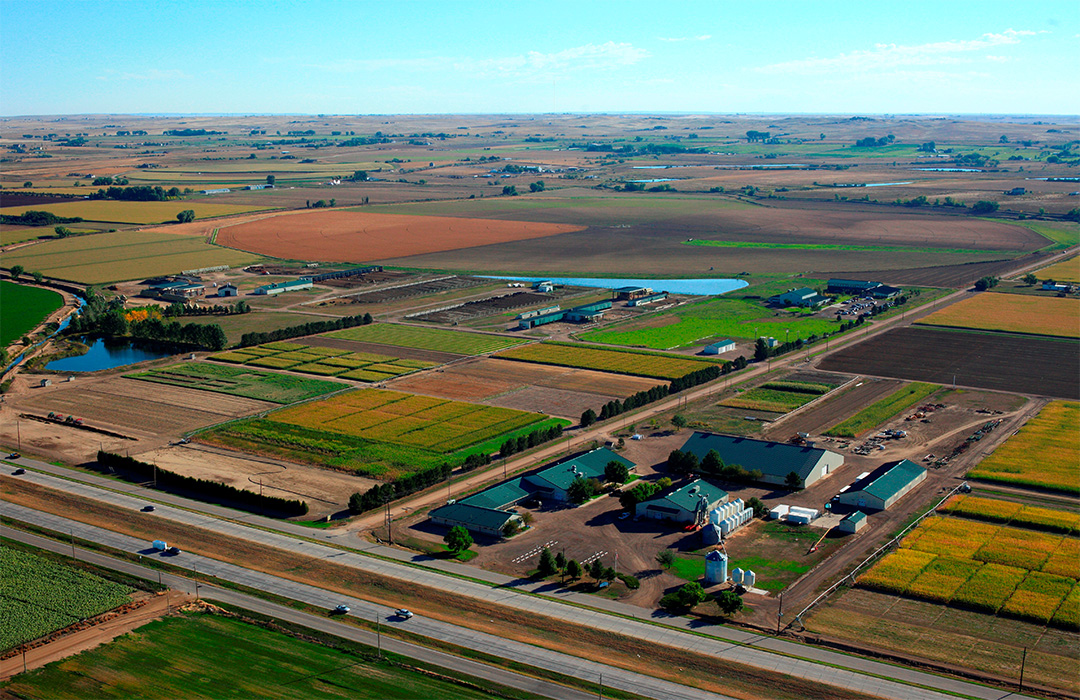
ARDEC
Stats
ACRES
FARMABLE & IRRIGATED ACRES
- ARDEC Conference Center
- CoBank Center for Agricultural Education
- General Purpose
- Staff Offices
- Conference Room
- Covered Picnic Area
- 34 Workrooms
- Drying
- Processing
- Scale Rooms
- Shop
- Foundation Seed
- Machine shed
- Pesticide storage and bulk storage
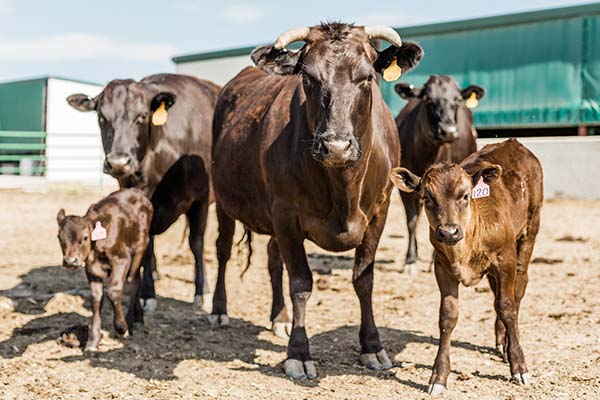
Livestock Unit
Cattle Stats
Resident ARDEC cow/calf herd – 100 head of purebred Hereford and Angus cows and replacement heifers.
FEED INTAKE UNIT CAPACITY
FEEDLOT CAPACITY
Buildings
- Sheep barn
- Cow/calf barn
- Heifer and bull development center
- Metabolism barn with individual pens
- Feed intake unit
- Palpation chutes
- Feedlot pens
- Central mix area
- Temple Grandin designed working facility
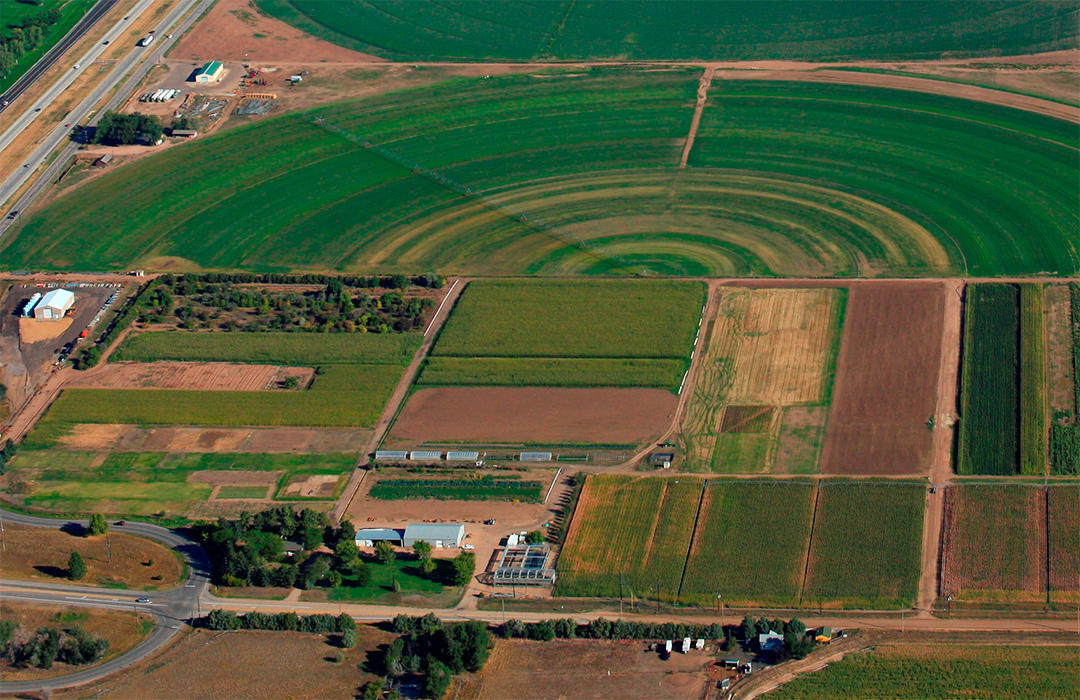
ARDEC South
ACRES
FARMABLE IRRIGATED ACRES
certified organic acres.
Buildings
- Shop
- Product storage and processing area
- House/office area
- Machine shop
- Research building
- 1 greenhouses
- 7 hoop houses
Program History
A great deal of time during the first ten to fifteen years was spent testing crops and varieties to determine whether they could be successfully grown and marketed from this area. Over 100 “crop species”, including shade trees and shrubs, and many times that in varieties, were planted at the Center. Special emphasis was given to tree fruits, sugar beets and cantaloupes. The turn of the century saw a number of orchards, mostly apple, established in the area; two beet sugar factories built in 1900 and the Rocky Ford cantaloupe industry recognized throughout the U.S.
Research efforts, in the years between 1900 and 1932, were scaled back to accommodate reduced land area and the title of Superintendent was changed to Field Agent, with responsibility for working directly with growers to solve production problems. However, considerable research effort was continued on the Center and directed towards cantaloupe disease, alfalfa forage and seed production, sugar beet production and investigation into sod. In 1922 a soils laboratory was set up and a chemist hired to study the effect of soil nitrates on crop production. It was the contention of some that high soil nitrates were adversely affecting alfalfa seed production and purity of sugar in beet production. This study culminated in 1930. It was during the twenties that efforts to develop a better onion variety began. The cantaloupe industry started to decline and the onion began to take its place as the premier vegetable crop in the area.
Breeding projects, cultural practices and variety tests became the research focus in the years between 1930 and 1945. These included work on onions, tomatoes, sweet corn, soybeans, peas, spring and fall grains, hybrid corn and sorghum, small fruits and, as always, alfalfa. It was during this time the research effort began to seriously emphasize the management of pest problems in the various crops in the Valley. Bindweed had become a major pest and significant effort was directed towards this problem.
Due to increased crop losses caused by pests and increased labor costs, particularly related to weed control, the major part of the research effort between 1945 and the early 1980’s was directed towards managing the pest problems in crop production. In the late 1940’s a plant pathologist was hired at the University whose primary responsibility was to carry out research on the onion disease problems in the Arkansas Valley. In 1961 an entomologist was hired and assigned to the Center to work on insect problems of the Valley. These positions were instigated and supported by grower groups in the area.
The research outlined above continues to some extent in the present but emphasis during the last ten years has turned to production efficiency and environmental protection as evidenced by projects on tillage practices and fertilizer, irrigation and pest management. The 1991 addition of a vegetable crop scientist to the staff has enhanced this research.
Center History
This Center was established in 1888 as the Bent Agricultural Experiment Station and is the oldest continuously operated agricultural experiment station, outside of Fort Collins, in Colorado. Subsequently, when the original Bent County was subdivided into several counties the name was changed in 1889 to the Arkansas Valley Agricultural Experiment Station. Later it became the Arkansas Valley Branch Station and the present name has been used since the mid-sixties.
Local agricultural interests obtained 200 acres of state land and supplied it with the necessary water rights to initiate the operation in 1888. In 1901, due to financial considerations, 160 acres and associated water rights were returned to original owners and the Center operated with 40 acres until 1959 when an additional 60 acres were leased from an adjacent farm. In 1984 the Colorado State Legislature appropriated the necessary funds to purchase 57 acres of the leased farm, including buildings and grounds. The sale was completed in 1985 and we continued to lease 7 acres of land. The present operation includes 104 acres of which about 90 acres are tillable.
The facilities at the Center include an office-utility building, diagnostic laboratory, greenhouse, two adobe storage buildings, pole barn, pesticide storage and residence. It is situated two miles east of Rocky Ford on Highway 50 at an altitude of 4178′. Average annual precipitation (1901-1997) is 11.69 inches and the average frost free period is 158 days. The nearly level alluvial land has a silky clay loam soil, about 7.8 pH and 1.8% organic matter. Irrigation water is diverted from the Arkansas River through the Rocky Ford Ditch and distributed on the farm using furrow or flood methods.
The Center was established to serve the research needs of the irrigated farming area of southeast Colorado known as the Arkansas Valley, extending from Pueblo County on the west to the Kansas border. It also includes irrigated areas associated with the tributaries to the Arkansas River in El Paso, Huerfano and Las Animas counties. Agricultural production includes livestock and field and vegetable crops. Alfalfa, corn, dry beans, small grains, soybeans, sorghum, onions, melons, tomatoes, cucumbers, potatoes and peppers are representative of crops grown under irrigation.
An Animal Disease Diagnostic Laboratory is housed at the Center and administered by the College of Veterinary Medicine and Biomedical Sciences and serves Southern Colorado.
Leadership
The following men have supervised the operation of the Arkansas Valley Research Center at Rocky Ford since the initial date of September 17, 1888.
| 1888-1892 | Frank L. Watrous |
| 1892-1895 | Fred A. Huntley |
| 1895-1897 | Philo K. Blinn |
| 1897-1898 | W. Frank Crowley |
| 1898-1903 | Harvey H. Griffin |
| 1903-1927 | Philo K. Blinn |
| 1927-1928 | Justus C. Ward* |
| 1932-1958 | Herman Fauber |
| 1958-1980 | Jerre F. Swink |
| 1980-2003 | Frank Schweissing* |
| 2004- | Mike Bartolo |
Three of these men, P.K. Blinn, Herman Fauber and Jerre Swink, provided the leadership for almost 75 years of the Center’s existence. This had the positive effect of providing stability and continuity of research for this Colorado Experiment Station facility.
*Justus Ward was hired in 1922 as a chemist and Frank Schweissing was hired in 1961 as entomologist. Robert Gardner, an agronomist based in Fort Collins, supervised an on-site employee to maintain Center operations from 1928 to 1932.